
Discover how agentic AI is transforming C-suite leadership in 2026. Learn strategies for CIOs and CTOs to lead autonomous enterprise transformation.
Key Takeaways
- Agentic AI enables autonomous decision-making and execution
- The C-suite is shifting from operators to orchestrators
- CIOs, CTOs, and CMOs play critical roles in AI transformation
- Companies adopting AI see 30–50% CAC reduction
- Autonomous marketing is a major growth driver
- Data centralization is essential for success
- Leadership skills must evolve toward AI literacy
Agentic C-Suite Leadership: Leading in the Era of Autonomous AI
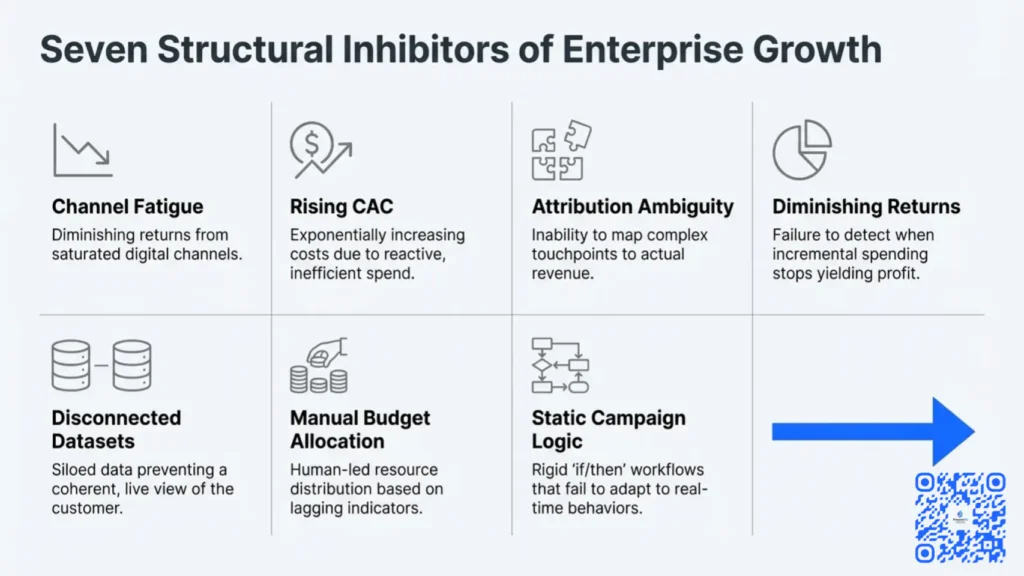
Agentic AI is fundamentally redefining how executives lead organizations. In 2026, the rise of autonomous systems capable of sensing, deciding, and acting without human intervention is transforming the role of the C-suite—especially CIOs, CTOs, and CMOs.
The concept of the Agentic C-Suite refers to leadership teams that orchestrate intelligent systems rather than manage manual processes. These leaders are no longer just decision-makers—they are architects of autonomous ecosystems.
According to industry projections, over 60% of enterprise workflows will be partially or fully autonomous by 2027, forcing a rapid shift in leadership strategy. Organizations that fail to adapt risk stagnation, while those that embrace agentic AI unlock exponential efficiency, lower costs, and faster growth.
This article explores how leadership is evolving, what strategies are required, and how executives can successfully transition to the era of autonomous enterprise operations.
What Is Agentic AI?
→ Agentic AI refers to systems that independently perceive data, make decisions, and execute actions without constant human oversight. Unlike traditional AI, which provides recommendations, agentic AI operates as an autonomous decision-maker within defined parameters.
How Agentic AI Is Reshaping the C-Suite
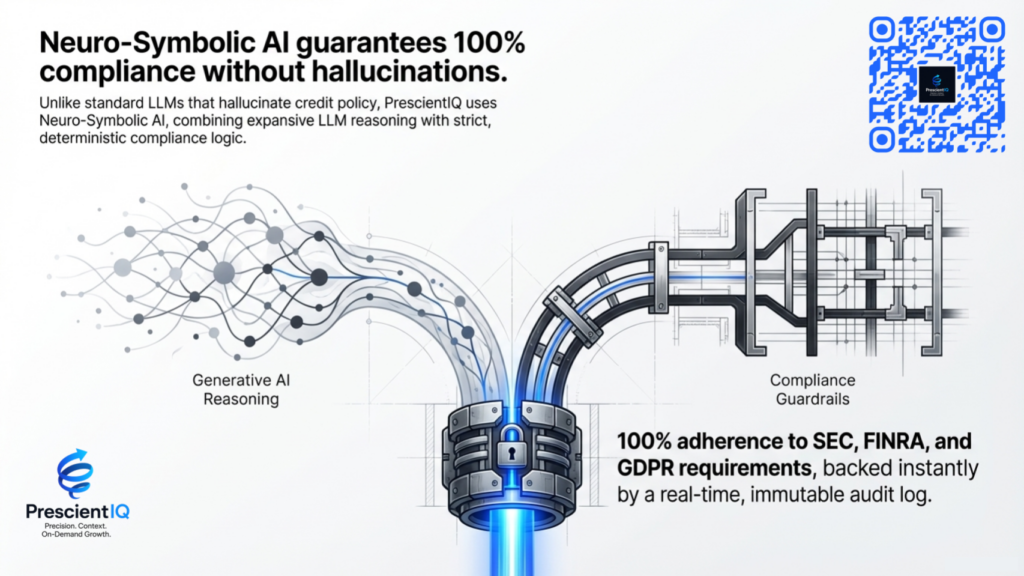
From Operators to Orchestrators
Traditional executives:
- Managed teams
- Oversaw processes
- Made centralized decisions
Agentic executives:
- Orchestrate AI agents
- Define constraints and goals
- Monitor outcomes instead of tasks
The Shift in Leadership Model
| Traditional Model | Agentic Model |
| Human-driven execution | AI-driven execution |
| Static planning cycles | Continuous optimization |
| Manual reporting | Real-time insights |
| Linear workflows | Autonomous systems |
How Does Agentic AI Work?
How does agentic AI work?
→ Agentic AI operates through a continuous loop:
- Sense – Collect real-time data from systems
- Decide – Apply models and reasoning
- Act – Execute actions autonomously
- Learn – Improve from outcomes
This closed-loop system enables constant optimization across marketing, sales, operations, and finance.
Why Agentic AI Leadership Matters
Why is agentic AI important?
→ Agentic AI enables organizations to operate at machine speed, reducing decision latency and increasing precision. Companies adopting agentic systems report 30–50% reductions in customer acquisition costs (CAC) and 20–40% increases in marketing-driven revenue.
The New Roles of the Agentic C-Suite
CIO: Architect of Intelligent Infrastructure
The CIO evolves into:
- AI ecosystem designer
- Data pipeline orchestrator
- Governance leader for AI ethics and compliance
CTO: Builder of Autonomous Systems
The CTO focuses on:
- Scalable AI architectures
- Integration of agent frameworks
- Continuous deployment of learning systems
CMO: Orchestrator of Growth Agents
The modern CMO:
- Manages AI-driven campaigns
- Oversees predictive customer journeys
- Optimizes budgets dynamically
What is the Agentic C-Suite?
→ The Agentic C-Suite is a leadership model where executives manage autonomous AI systems instead of manual workflows. These leaders focus on strategy, constraints, and outcomes, allowing AI agents to execute and optimize business processes continuously.
Key Capabilities of Agentic Enterprises
1. Autonomous Decision-Making
- AI executes campaigns without human input
- Budget allocation updates in real time
2. Continuous Optimization
- Systems improve performance dynamically
- No fixed reporting cycles
3. Cross-Functional Intelligence
- Unified data across departments
- Eliminates silos
4. Predictive Execution
- Anticipates customer behavior
- Acts before signals become visible
According to recent studies:
- 70% of executives say AI will redefine their role within 3 years
- 45% of enterprises are already piloting autonomous workflows
- AI-driven companies grow 2x faster than traditional peers
- Automation reduces operational costs by up to 35%
Expert Insights
“AI will not replace executives—but executives who use AI will replace those who don’t.” — Industry Research Insight
“Leadership is shifting from control to orchestration.” — Executive AI Forum
“The future enterprise is not automated—it is autonomous.” — George Schildge, CEO at MatrixLabX
Step-by-Step Framework: Becoming an Agentic Leader

Step 1: Audit Your Current Systems
- Identify manual bottlenecks
- Map data silos
Step 2: Implement AI Agents
- Start with marketing and sales
- Expand into operations and finance
Step 3: Build a Unified Data Layer
- Centralize data pipelines
- Ensure real-time accessibility
Step 4: Define Governance Rules
- Set boundaries for AI decisions
- Ensure compliance and transparency
Step 5: Shift KPIs to Outcomes
- Focus on revenue impact
- Measure efficiency gains
Pros vs Cons of Agentic Leadership
Pros
- Faster decision-making
- Lower operational costs
- Scalable growth
- Real-time optimization
Cons
- Requires cultural transformation
- Initial infrastructure investment
- Governance complexity
- Talent skill gap
Use Cases by Industry
Technology / SaaS
Agents monitor global threat intelligence feeds and autonomously draft “Emergency Response” briefings or webinars for CISOs when a new vulnerability is detected. In Cybersecurity SaaS, agentic platforms eliminate the lag between threat discovery and customer education, positioning the brand as the “first responder” in the market.
- Autonomous customer acquisition
- Predictive churn prevention
Financial Services
Move from reactive claims to proactive engagement. Use agentic AI to monitor risk signals and launch autonomous, compliant campaigns that reduce policyholder risk and improve retention.
- AI-driven portfolio adjustments
- Compliance automation
Manufacturing
The Smart-BOM (Bill of Materials) Navigator: Speed-to-market is the primary EMS differentiator. Our agents ingest prospect BOMs in real time, cross-referencing global component availability to assess quote feasibility and offer alternative sourcing options, cutting the traditional sales cycle by 70%.
- Predictive maintenance
- Supply chain optimization
Healthcare
The Compliance & Claims Accelerator. Shorten the sales cycle for complex devices by using agents to guide users through medical necessity documentation and automated “benefits checks.” Overcomes the “paperwork paralysis” that causes prospective customers to abandon their purchase when faced with insurance requirements and clinical forms.
- Patient journey orchestration
- Resource allocation
Hospitality
Solve the “latency leak” in corporate negotiated rates with PrescientIQ’s Sales Agents. Our platform autonomously maps stakeholder influence within Global Distribution Systems (GDS) and automates high-fidelity outreach to corporate travel buyers.
By replacing brittle, rule-based heuristics with a native Bayesian MMM architecture, PrescientIQ ensures every dollar of your B2B marketing spend is mathematically tied to confirmed group bookings and contract renewals.
- Personalized guest experiences
- Dynamic pricing optimization
How do companies implement agentic AI?
→ Companies implement agentic AI by integrating autonomous agents into workflows, centralizing data systems, and defining governance rules. They start with high-impact areas like marketing and sales, then expand across operations for full enterprise transformation.
The Rise of Autonomous Marketing
Agentic AI is especially transformative in marketing:
- Campaigns run without manual input
- Budgets shift automatically
- Content is generated and optimized in real time
This leads to:
- Lower CAC
- Higher conversion rates
- Faster time to market
What is autonomous marketing?
→ Autonomous marketing uses AI agents to manage campaigns, optimize budgets, and generate content without human intervention. It continuously analyzes performance and adjusts strategies in real time to maximize ROI.
Organizational Challenges
Cultural Resistance
- Teams fear job displacement
- Leadership hesitates to relinquish control
Data Fragmentation
- Legacy systems limit AI effectiveness
Skill Gaps
- Need for AI-literate executives
How to Overcome These Challenges
- Invest in executive AI education
- Start with pilot programs
- Build cross-functional AI teams
- Communicate clear ROI metrics
What skills do leaders need for agentic AI?
→ Leaders need data literacy, systems thinking, and strategic oversight capabilities. They must understand how AI makes decisions, define constraints, and interpret outcomes to guide autonomous systems effectively.
The Future of Leadership in 2030
By 2030:
- AI will handle 80% of operational decisions
- Executives will focus on strategy and innovation
- Organizations will operate as self-optimizing ecosystems
The competitive advantage will shift from: Who has the best people → Who has the best AI orchestration?
Conclusion
The era of autonomous AI is not a distant future—it is already reshaping how organizations operate and how leaders lead. The Agentic C-Suite represents a fundamental shift from managing processes to orchestrating intelligent systems.
Executives who embrace this transformation will unlock unprecedented efficiency, scalability, and growth. Those who resist will struggle to compete in a world where speed, precision, and adaptability define success.
The question is no longer whether AI will transform leadership—it is whether leaders are prepared to transform themselves.
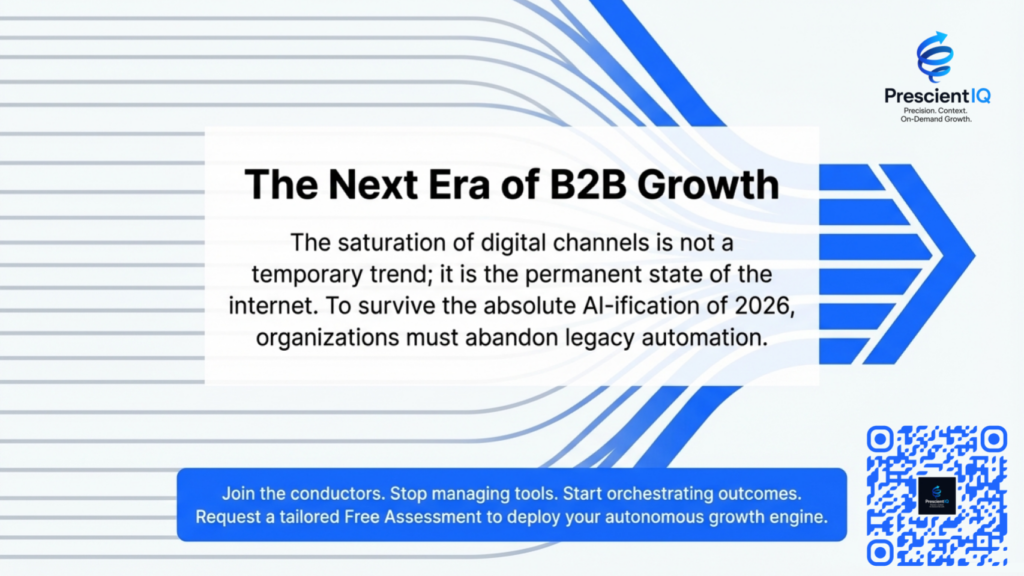
Learn how to Leverage AI
FAQ
What is agentic AI in simple terms?
Agentic AI refers to systems that can independently make decisions and take actions based on real-time data. Unlike traditional AI, it does not rely on human instructions for every step, enabling faster and more efficient operations across business functions.
How is agentic AI different from automation?
Automation follows predefined rules, while agentic AI adapts dynamically. It learns from data, makes decisions, and improves over time, making it far more flexible and powerful than traditional automation systems.
Why is agentic AI important for executives?
Agentic AI allows executives to scale decision-making and reduce operational inefficiencies. It shifts leadership focus from managing processes to driving strategic outcomes, enabling faster growth and better resource allocation.
What industries benefit most from agentic AI?
Industries such as SaaS, financial services, healthcare, manufacturing, and hospitality benefit significantly. These sectors rely on data-driven decisions and can leverage AI to optimize operations and improve customer experiences.
What are the risks of agentic AI?
Risks include governance challenges, data privacy concerns, and over-reliance on AI systems. Organizations must implement strong oversight frameworks to ensure ethical and effective use of autonomous technologies.
How long does it take to implement agentic AI?
Implementation timelines vary, but many organizations see initial results within 45–90 days. Full enterprise transformation may take 6–18 months, depending on infrastructure and complexity.
What is the future of the Agentic C-Suite?
The Agentic C-Suite will become the standard leadership model. Executives will focus on strategy, innovation, and governance, while AI systems handle execution, optimization, and operational decision-making.