
The Future of Business is Agentic. We Build the Engine.
How Does AI Streamline Travel Planning and Booking?
AI is changing the travel industry through intelligent itinerary planning and real-time disruption management. By processing millions of flight and hotel data points, AI assistants provide travelers with personalized trip suggestions. These systems automatically rebook flights during delays, significantly reducing friction for travelers.
Travel AI Implementation:
- Hyper-Personalization: Curating “DNA-based” travel packages based on past behavior.
- Dynamic Logistics: Real-time route optimization for tour operators.
- Sentiment Monitoring: Analyzing social signals to improve destination services.
AI is changing the travel industry through intelligent itinerary planning and real-time travel disruption management. By processing millions of flight and hotel data points, AI assistants provide travelers with personalized trip suggestions and automatically rebook flights when delays occur, significantly reducing friction.
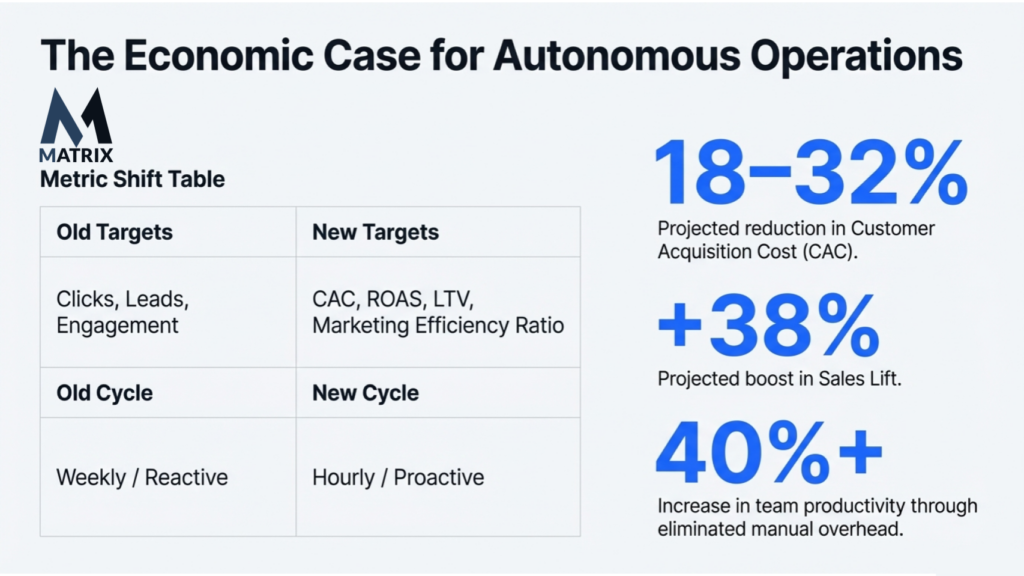
Industry Impact at a Glance
| Industry | Primary AI Application | Key Strategic Outcome |
| Finance | Fraud & Risk Modeling | 40% Reduction in False Positives |
| Healthcare | Diagnostic Assistance | 25% Increase in Triage Efficiency |
| Retail | Demand Forecasting | 15% Reduction in Inventory Costs |
| SaaS | User Behavior Analytics | 20% Improvement in LTV (Lifetime Value) |
Trusted by the world’s leading businesses




“Booking and ‘Heads in Beds’ increased across the global platform.”
FAQs
How can MatrixLabX help the travel industry?
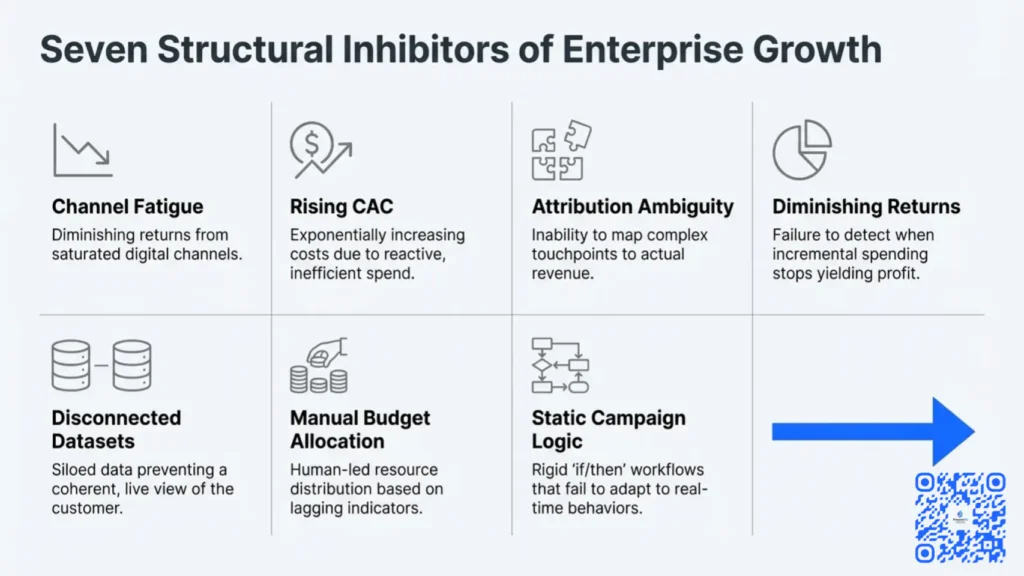
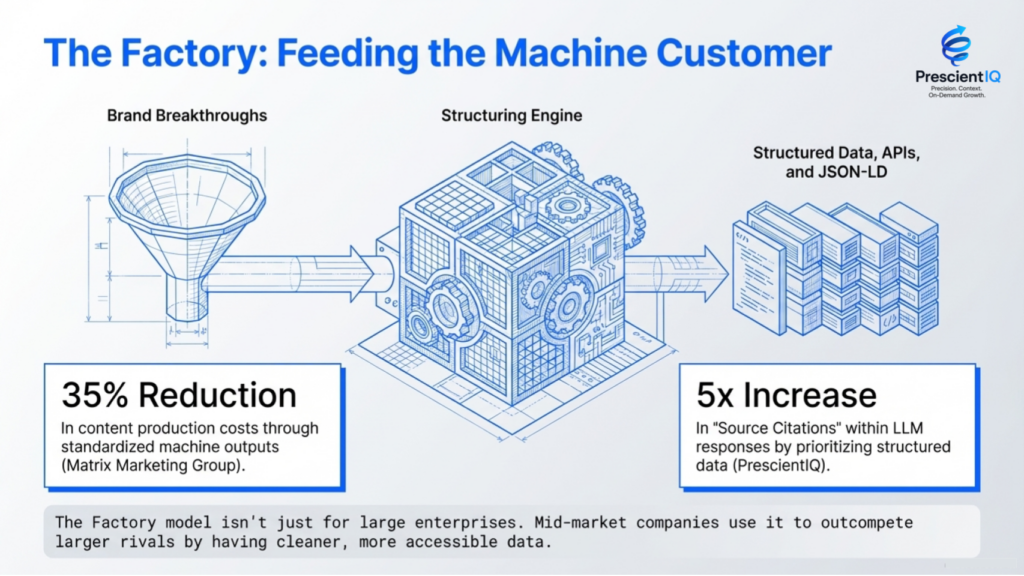
MatrixLabX supports the travel industry by providing an agentic AI platform designed to automate marketing and customer operations specifically for hospitality and travel companies. Unlike traditional automation, it uses autonomous AI agents to manage the entire customer lifecycle, from discovery to post-trip engagement.
What are the benefits of AI-powered travel planning?
AI eliminates the “paradox of choice” for travelers by synthesizing preferences into a single optimized route. It considers factors such as walking distance, weather, and budget to create a daily schedule. For travel agencies, this means higher booking rates through customized package offerings generated in real-time.
How can AI-driven personalization help travel agencies move beyond generic vacation packages to create truly “one-of-a-kind” itineraries for their clients?
Hyper-Personalization: AI analyzes massive amounts of data—past bookings, social media interests, and real-time reviews—to suggest niche destinations and activities that a human might miss. This shifts the agency from selling “trips” to curated “experiences” tailored to a client’s specific personality.
In what ways does AI automation for routine tasks, like booking confirmations and price tracking, allow human agents to focus more on high-value concierge services?
Operational Efficiency: By automating “paperwork” tasks like seat assignments, invoice generation, and 24/7 basic customer support via chatbots, agents reclaim hours of their day. This time is better spent building relationships, solving complex travel snags, and providing the “human touch” that justifies their service fees.
How does AI marketing help a local chamber promoting local travel?
Automated Content & Event Promotion: Maintaining up-to-date event calendars is a common struggle for small destinations. AI can automatically scrape local data to keep calendars fresh and optimize social media posts to reach visitors when they are most active.