

Understanding the Shift: From AI-Enabled to AI-First SaaS
What is AI-Enabled SaaS?
AI-enabled SaaS refers to software-as-a-service applications that integrate artificial intelligence capabilities as an add-on feature. These AI components enhance existing functionalities, such as providing recommendations, automating routine tasks, or offering basic analytics. The core functionality of the software often remains independent of the AI.
Defining AI-First SaaS: A Paradigm Shift
AI-first SaaS, in contrast, is built from the ground up with artificial intelligence at its core. AI is not merely a feature but the fundamental engine driving the application’s primary value proposition. Every aspect, from data ingestion to user interaction and output generation, is designed with AI as the central intelligence layer. This approach fundamentally redefines how software operates and delivers value.
The “Intelligence-First” Philosophy in Software Development
The “intelligence-first” philosophy posits that software should inherently leverage AI to anticipate needs, learn from interactions, and autonomously execute complex tasks. It moves beyond simple automation to proactive problem-solving and continuous optimization. This paradigm shift requires a re-evaluation of traditional software development methodologies, prioritizing data strategy, model training, and ethical AI considerations from inception.
The Rise of the Intelligence-First Software Workforce
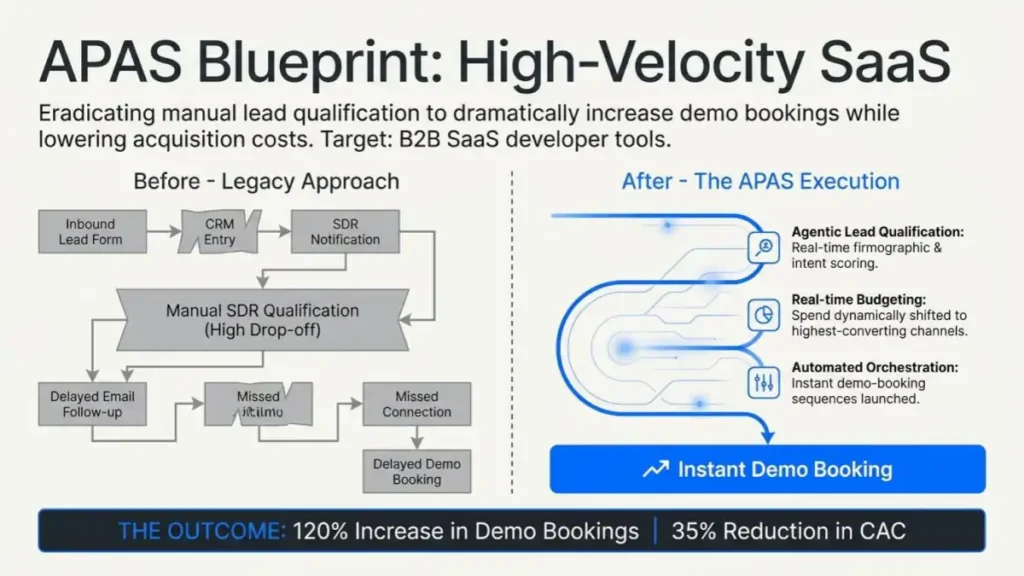
Augmenting Human Capabilities with AI
An intelligence-first software workforce utilizes AI to extend human capabilities rather than replace them. AI handles repetitive, data-intensive, or complex computational tasks, freeing human professionals to focus on strategic thinking, creativity, and complex problem-solving. This symbiotic relationship leads to higher productivity and innovation.
Redefining Roles and Responsibilities in Software Teams
The integration of AI-first SaaS reconfigures traditional team structures. New roles emerge, such as AI ethicists, prompt engineers, and AI-driven workflow designers. Existing roles, such as developers and project managers, are evolving to include AI model oversight, data governance, and human-AI collaboration strategies. The emphasis shifts from manual execution to intelligent orchestration.
Key Skills for the AI-Driven Software Professional
- AI Literacy: Understanding AI concepts, capabilities, and limitations.
- Data Fluency: Ability to interpret data, identify patterns, and ensure data quality.
- Critical Thinking: Evaluating AI outputs and making informed decisions.
- Problem-Solving: Framing problems that AI can help solve and designing solutions.
- Collaboration: Working effectively with both human and AI teammates.
- Adaptability: Continuously learning new AI tools and methodologies.
Benefits of an Intelligence-First Approach in SaaS
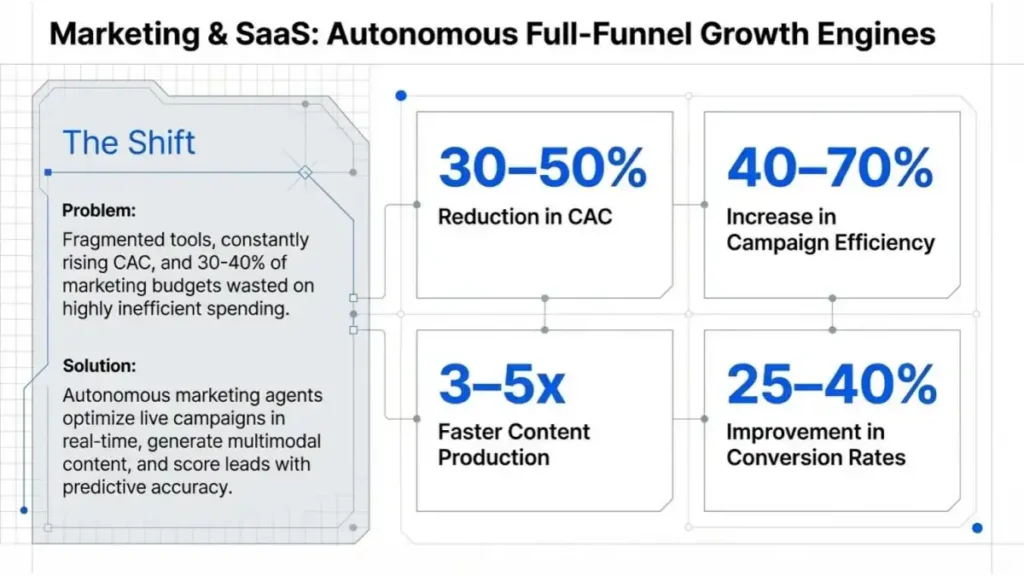
Enhanced Efficiency and Automation
AI-first SaaS automates a vast array of tasks, from code generation and testing to customer support and marketing campaign optimization. This leads to significant operational efficiencies, reducing manual effort and accelerating workflows across the organization.
Superior Predictive Analytics and Decision-Making
By continuously analyzing vast datasets, AI-first systems provide highly accurate predictive insights. This enables businesses to make more informed decisions regarding market trends, customer behavior, resource allocation, and risk management, moving from reactive to proactive strategies.
Hyper-Personalization and Improved User Experience
AI allows SaaS platforms to offer unprecedented levels of personalization. From tailored content recommendations to customized workflows and proactive support, AI-first solutions deliver highly engaging, relevant user experiences that foster stronger customer loyalty.
Faster Innovation and Development Cycles
AI accelerates the entire software development lifecycle. It can assist with ideation, automate coding, identify bugs, and optimize deployment. This rapid-iteration capability allows companies to innovate faster, bring new features to market more quickly, and stay ahead of the competition.
Cost Reduction and Scalability
Automating tasks and optimizing processes through AI leads to substantial cost savings in labor, resources, and operational overhead. AI-first solutions are also inherently more scalable, capable of handling increased workloads and data volumes without proportional increases in human intervention.
Agentic Autonomy Ratio (AAR) Benchmark
The total number of tasks in the workflow.
How many of those tasks are routed to an AI agent?
Percentage of AI tasks requiring human correction/confirmation (0-100).
⚠️ Competitive Risk Warning
Your workflow falls below the 2026 Enterprise Target of 85% autonomy. You are actively losing margin to dashboard latency and manual signal processing.
You are at Level X. Learn how to reach Level 4 (Full Autonomy) in 45 days.
Reserve Your Technical AuditChallenges and Considerations for Adopting AI-First SaaS
Data Privacy and Security Concerns
The reliance on vast amounts of data for AI training and operation raises significant concerns about data privacy and security. Organizations must implement robust data governance, encryption, and compliance measures to protect sensitive information and build user trust.
Addressing Algorithmic Bias and Ethical AI
AI models can inadvertently perpetuate or amplify existing biases present in their training data. Addressing algorithmic bias requires careful data curation, model auditing, and the development of ethical AI guidelines to ensure fairness, transparency, and accountability in AI-driven decisions.
Integration with Legacy Systems and Infrastructure
Many enterprises operate with complex legacy systems. Integrating AI-first SaaS solutions into existing infrastructure can be challenging, requiring significant investment in API development, data migration, and system modernization to ensure seamless interoperability.
The Need for New Business Models and Pricing Strategies
The value proposition of AI-first SaaS often differs from traditional software. This necessitates rethinking business models, moving towards value-based pricing, outcome-based subscriptions, or consumption-based models that reflect the continuous intelligence and automation provided by AI.
Talent Gap and Upskilling the Workforce
A significant challenge is the current talent gap in AI expertise. Organizations need to invest in upskilling their existing workforce and attracting new talent with specialized AI knowledge. This includes training in data science, machine learning engineering, and AI ethics.
Building an Intelligence-First Software Workforce: Strategies for Success
Cultivating an AI-First Mindset Across the Organization
Success begins with a cultural shift. Leaders must champion an AI-first mindset, encouraging experimentation, data-driven decision-making, and a willingness to embrace new ways of working. This involves educating all employees on the potential and implications of AI.
Strategic Data Management and Utilization
Data is the fuel for AI. Organizations must develop a robust data strategy that includes data collection, cleaning, storage, governance, and accessibility. High-quality, well-managed data is crucial for training effective AI models and ensuring reliable outputs.
Investing in AI-Native Tools and Platforms
To fully leverage an intelligence-first approach, companies need to adopt AI-native tools and platforms. These are purpose-built for AI development, deployment, and management, offering capabilities like MLOps, automated feature engineering, and scalable inference engines.
Fostering Continuous Learning and Adaptation
The AI landscape evolves rapidly. An intelligence-first workforce must be committed to continuous learning, regularly updating skills, and adapting to new technologies and methodologies. This includes ongoing training programs and fostering a culture of curiosity and innovation.
The Future Landscape: AI Agents and Beyond
AI Agents vs. Traditional SaaS: A New Era of Execution
AI agents represent the next evolution, moving beyond static SaaS applications to autonomous entities capable of understanding goals, planning actions, and executing tasks across multiple systems. Unlike traditional SaaS, which requires human input at every step, AI agents can operate with minimal supervision, independently orchestrating complex workflows.
The Evolving Relationship Between Humans and AI in Software
The future will see a deeper partnership between humans and AI. Humans will define strategic objectives, oversee AI agents, and provide ethical guidance, while AI handles the execution and optimization. This collaboration will unlock unprecedented levels of productivity and innovation, transforming the very nature of work.
Predictions for the Intelligence-First Software Ecosystem
- Hyper-automation: Most routine and complex tasks will be automated by AI.
- Adaptive Systems: Software that continuously learns and optimizes itself.
- Proactive Intelligence: Systems that anticipate needs and act before human intervention is required.
- Decentralized AI: AI capabilities distributed across various platforms and devices.
- Ethical AI Frameworks: Robust governance and ethical guidelines embedded in all AI development.
Frequently Asked Questions
What is the core difference between AI-enabled and AI-first SaaS?
AI-enabled SaaS integrates AI as an add-on feature to enhance existing functionalities. AI-first SaaS, conversely, is built with AI as its fundamental core, driving its primary value proposition and operations from inception.
How does an intelligence-first software workforce benefit businesses?
It leads to enhanced efficiency, superior predictive analytics, hyper-personalization, faster innovation cycles, and significant cost reductions. AI augments human capabilities, allowing teams to focus on strategic tasks.
What are the main challenges in adopting an AI-first approach?
Key challenges include ensuring data privacy and security, addressing algorithmic bias, integrating with legacy systems, developing new business models, and bridging the talent gap through upskilling.
What skills are crucial for professionals in an AI-driven software environment?
Essential skills include AI literacy, data fluency, critical thinking, problem-solving, collaboration with AI, and continuous adaptability to evolving technologies.
What role do AI agents play in the future of intelligence-first software?
AI agents will move beyond static applications to autonomous entities capable of understanding goals, planning, and executing complex tasks across multiple systems with minimal human supervision, ushering in a new era of execution.