

The business landscape is undergoing a profound transformation, driven by the emergence of the Autonomous Digital Workforce (ADW). This innovative paradigm leverages advanced AI agents to perform complex tasks, make decisions, and learn continuously, fundamentally reshaping how organizations operate. Unlike traditional automation, an ADW represents a new frontier where AI-powered entities act as digital employees, working alongside human teams to achieve strategic objectives.
What is an Autonomous Digital Workforce (ADW)?
An Autonomous Digital Workforce (ADW) refers to a collection of AI agents, often called digital employees or AI workers, that can independently execute tasks, processes, and workflows without constant human intervention. These agents are designed to understand goals, plan actions, interact with various systems, and adapt to new information, mimicking human cognitive abilities in a digital environment.
Beyond Traditional Automation: RPA vs. ADW
While Robotic Process Automation (RPA) automates repetitive, rule-based tasks, an ADW goes significantly further. RPA bots follow predefined scripts and lack the ability to adapt or make independent decisions. In contrast, AI agents in an ADW possess:
- Cognitive Abilities: Understanding context, natural language processing, and computer vision.
- Decision-Making: Evaluating situations and choosing optimal paths based on learned patterns and objectives.
- Adaptability: Adjusting to changes in processes or data without requiring reprogramming.
- Learning: Improving performance over time through machine learning techniques.
ADW vs. Chatbots: Key Distinctions
Chatbots are primarily designed for conversational interfaces, typically handling specific, pre-programmed interactions or answering FAQs. They are reactive and limited in their scope of action. An ADW, however, comprises agents that are:
- Proactive: Initiating tasks and workflows based on triggers or goals.
- Multi-modal: Interacting with various enterprise systems, databases, and applications, not just chat interfaces.
- Goal-Oriented: Working towards complex business objectives, often involving multiple steps and systems.
- Autonomous: Operating with minimal human oversight once configured.
Core Capabilities of Autonomous Digital Workers (AI Agents)
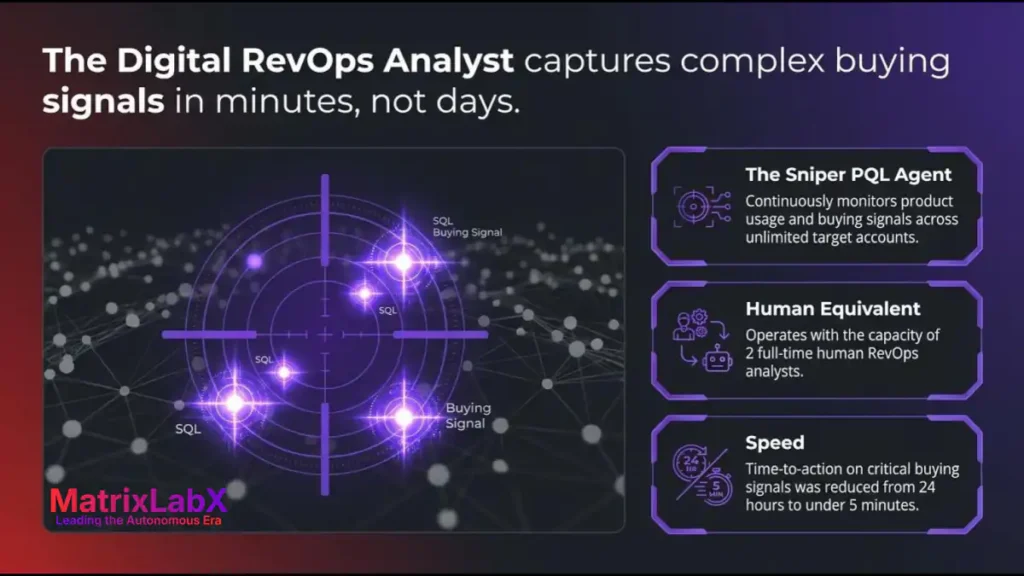
The power of an ADW lies in the sophisticated capabilities of its individual AI agents.
Autonomy and Decision-Making
AI agents are engineered to operate independently, making informed decisions based on real-time data and predefined objectives. They can analyze situations, identify problems, and execute solutions without requiring human approval for every step. This autonomy allows for faster execution and reduced bottlenecks.
Adaptability and Continuous Learning
Unlike static software, autonomous agents are designed to learn and adapt. Through machine learning, they continuously process new data, refine their algorithms, and improve their performance over time. This ensures they remain effective even as business processes or external conditions change.
Goal-Oriented Workflow Execution
Digital workers are assigned specific goals rather than just tasks. They can break down complex objectives into manageable steps, orchestrate interactions across multiple systems, and monitor progress towards the ultimate aim. This holistic approach ensures end-to-end process completion.
Seamless Integration with Enterprise Systems
A critical capability of ADW agents is their ability to integrate effortlessly with existing enterprise infrastructure. They can interact with CRM, ERP, HRIS, databases, cloud services, and legacy systems, acting as a unifying layer that automates processes across disparate platforms.
The Transformative Benefits of an Autonomous Digital Workforce
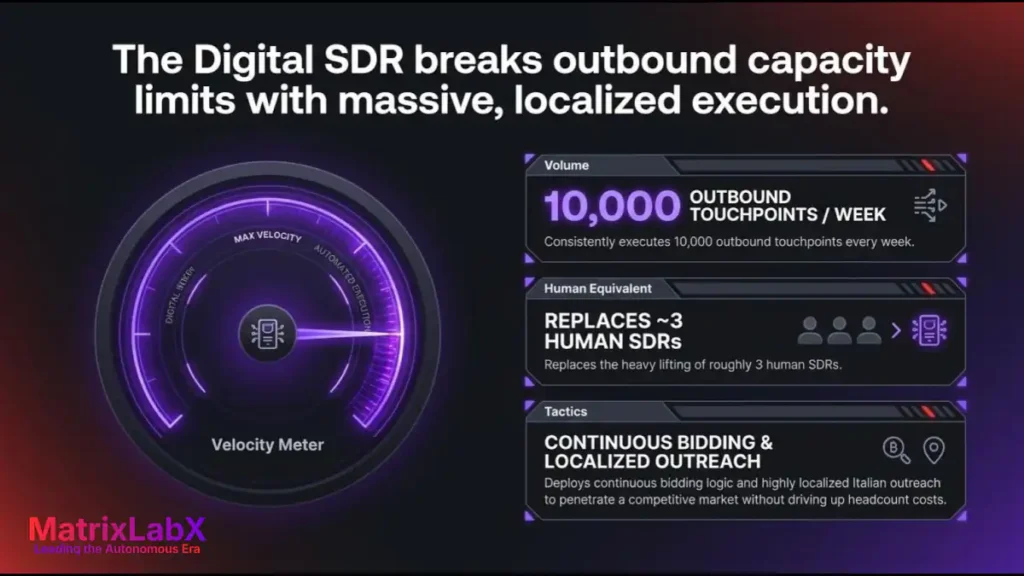
Adopting an ADW offers a multitude of strategic advantages for organizations.
Boosting Productivity and Operational Efficiency
By automating repetitive, time-consuming, and data-intensive tasks, ADW agents free up human employees to focus on higher-value, creative, and strategic work. This leads to significant increases in overall productivity and streamlined operations.
Significant Cost Savings and Scalability
Digital workers can operate 24/7 without breaks, holidays, or human resource costs. They can be scaled up or down rapidly to meet demand fluctuations, offering a flexible and cost-effective solution compared to expanding human teams.
Enhancing Accuracy and Reliability
AI agents execute tasks with unparalleled precision, virtually eliminating human error in data entry, calculations, and process execution. Their consistent performance ensures higher data quality and more reliable outcomes.
Empowering Human Employees for High-Value Work
With digital workers handling the mundane, human talent can be redirected towards innovation, complex problem-solving, customer relationship building, and strategic initiatives. This boosts employee morale and leverages human creativity where it matters most.
Real-World Applications and Use Cases
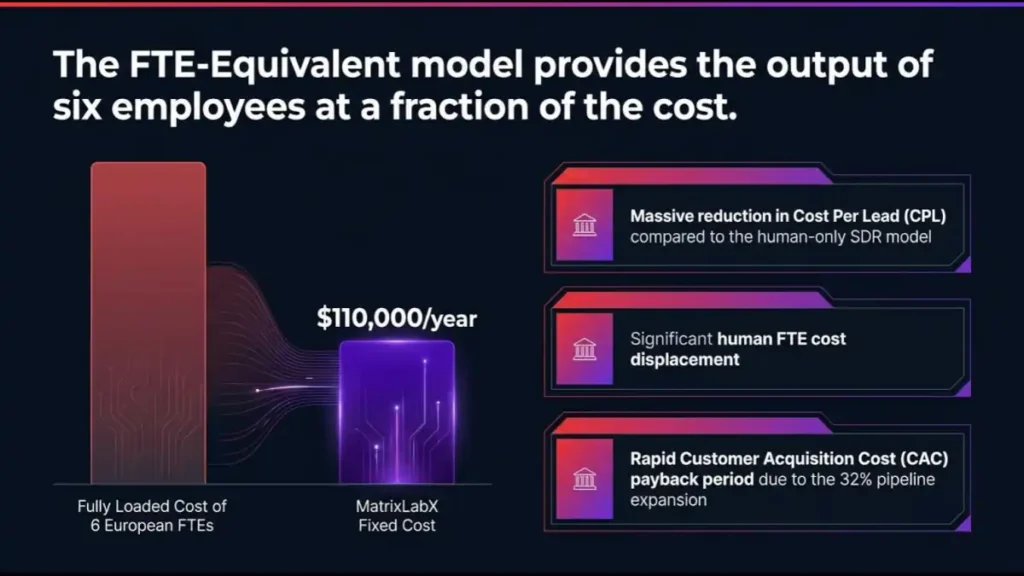
The versatility of an ADW makes it applicable across various industries and departments.
Customer Service and Support
- Automating ticket triage and routing.
- Handling routine inquiries and providing instant support.
- Personalizing customer interactions based on historical data.
- Proactively resolving issues before customers are aware.
Finance and Operations
- Automating invoice processing and reconciliation.
- Fraud detection and anomaly identification.
- Supply chain optimization and inventory management.
- Generating financial reports and compliance checks.
Sales, Marketing, and HR
- Qualifying leads and personalizing outreach campaigns.
- Automating content generation for marketing materials.
- Streamlining candidate screening and onboarding processes.
- Managing employee data and benefits administration.
Implementing an Autonomous Digital Workforce: Key Considerations
Successful ADW implementation requires careful planning and strategic foresight.
The “Human-on-the-Loop” Approach
While autonomous, ADW solutions often benefit from a “human-on-the-loop” model. This means designing systems where human oversight, intervention, and validation are possible, especially for critical decisions or exceptions, ensuring ethical and responsible AI deployment.
Data Security, Governance, and Ethical AI
Organizations must prioritize robust data security measures, establish clear governance frameworks for AI agent operations, and adhere to ethical AI principles. This includes ensuring transparency, fairness, and accountability in AI decision-making.
Strategic Planning and Phased Adoption
Implementing an ADW is a strategic initiative, not just a technological one. It requires identifying high-impact use cases, starting with pilot projects, and gradually scaling the adoption across the enterprise. A phased approach minimizes disruption and maximizes learning.
Upskilling Your Human Workforce
As AI agents take over routine tasks, the human workforce needs to evolve. Investing in upskilling and reskilling programs is crucial to prepare employees for new roles that involve managing AI, analyzing AI-generated insights, and focusing on creative problem-solving.
The Future of Work: Human-AI Collaboration
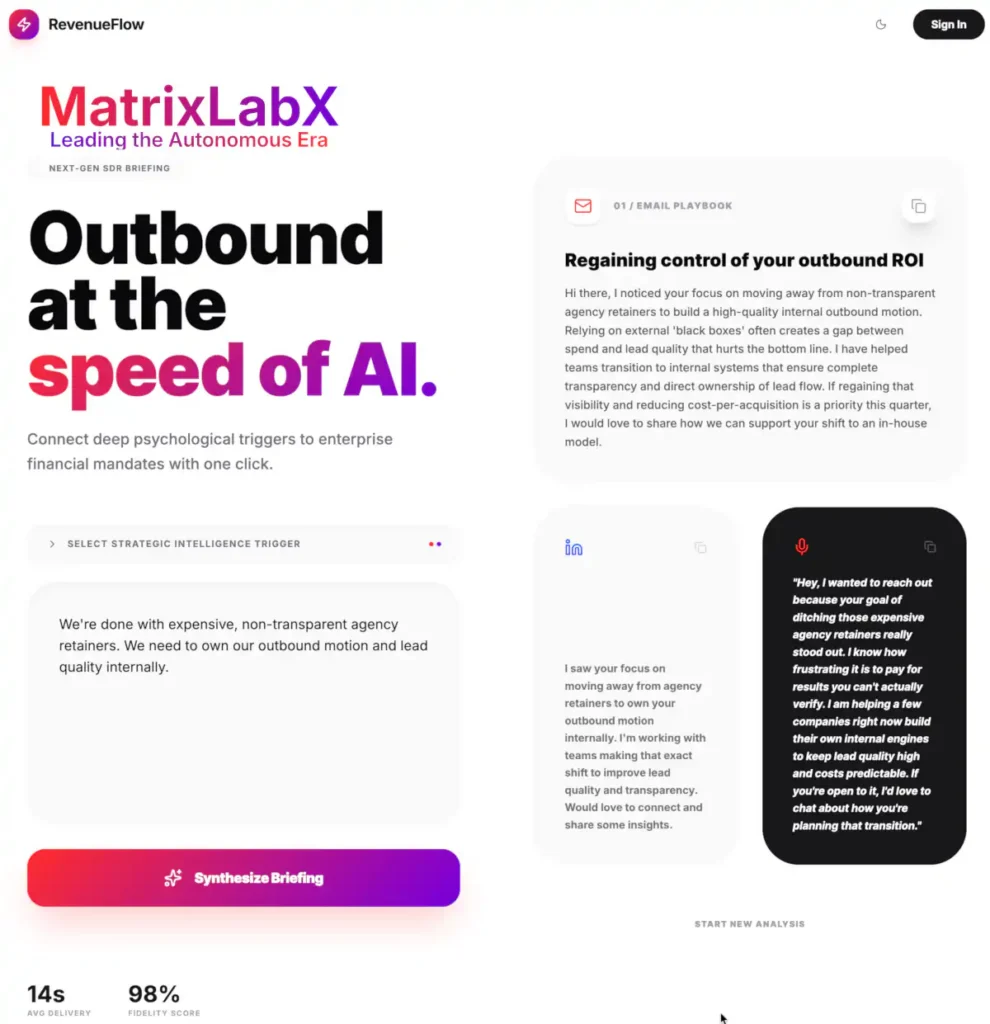
The rise of the Autonomous Digital Workforce signals a shift towards a collaborative future where humans and AI agents work in synergy.
Redefining Job Roles and Creating New Opportunities
Rather than replacing jobs wholesale, ADW will redefine them. New roles will emerge, such as AI trainers, AI ethicists, AI system managers, and data strategists. Human workers will focus on tasks requiring empathy, creativity, critical thinking, and complex interpersonal skills.
Building an AI-Native Enterprise
Ultimately, organizations will evolve into “AI-native” enterprises, where AI is not just a tool but an integral part of their operational DNA. This involves embedding AI into every process, decision, and customer interaction, fostering a culture of continuous innovation and efficiency.
Conclusion: Embracing the Autonomous Digital Revolution
The Autonomous Digital Workforce is more than just a technological advancement; it’s a strategic imperative for businesses aiming to thrive in the digital age. By embracing AI agents, organizations can unlock unprecedented levels of productivity, efficiency, and innovation, paving the way for a future where human ingenuity is amplified by intelligent automation. The revolution is here, and those who adapt will lead the way.
Frequently Asked Questions
What is an Autonomous Digital Workforce (ADW)?
An Autonomous Digital Workforce (ADW) consists of AI agents or digital employees that can independently execute tasks, processes, and workflows without constant human intervention. These agents understand goals, plan actions, and adapt to new information, mimicking human cognitive abilities.
How does an ADW differ from Robotic Process Automation (RPA)?
RPA automates repetitive, rule-based tasks by following predefined scripts. An ADW, however, uses AI agents with cognitive abilities, decision-making, and continuous learning to adapt to changes and make independent choices, going beyond simple script execution.
What are the main benefits of implementing an ADW?
Implementing an ADW boosts productivity, enhances operational efficiency, and delivers significant cost savings and scalability. It also improves accuracy and reliability while empowering human employees to focus on higher-value, strategic work.
Can an Autonomous Digital Workforce replace human jobs entirely?
An ADW is more likely to redefine job roles rather than replace them entirely. It automates mundane tasks, allowing humans to focus on creative, strategic, and empathetic work, while also creating new opportunities in AI management and oversight.
What are key considerations for implementing an ADW?
Key considerations include adopting a “human-on-the-loop” approach for oversight, ensuring robust data security and ethical AI governance, strategic planning with phased adoption, and investing in upskilling the human workforce.